


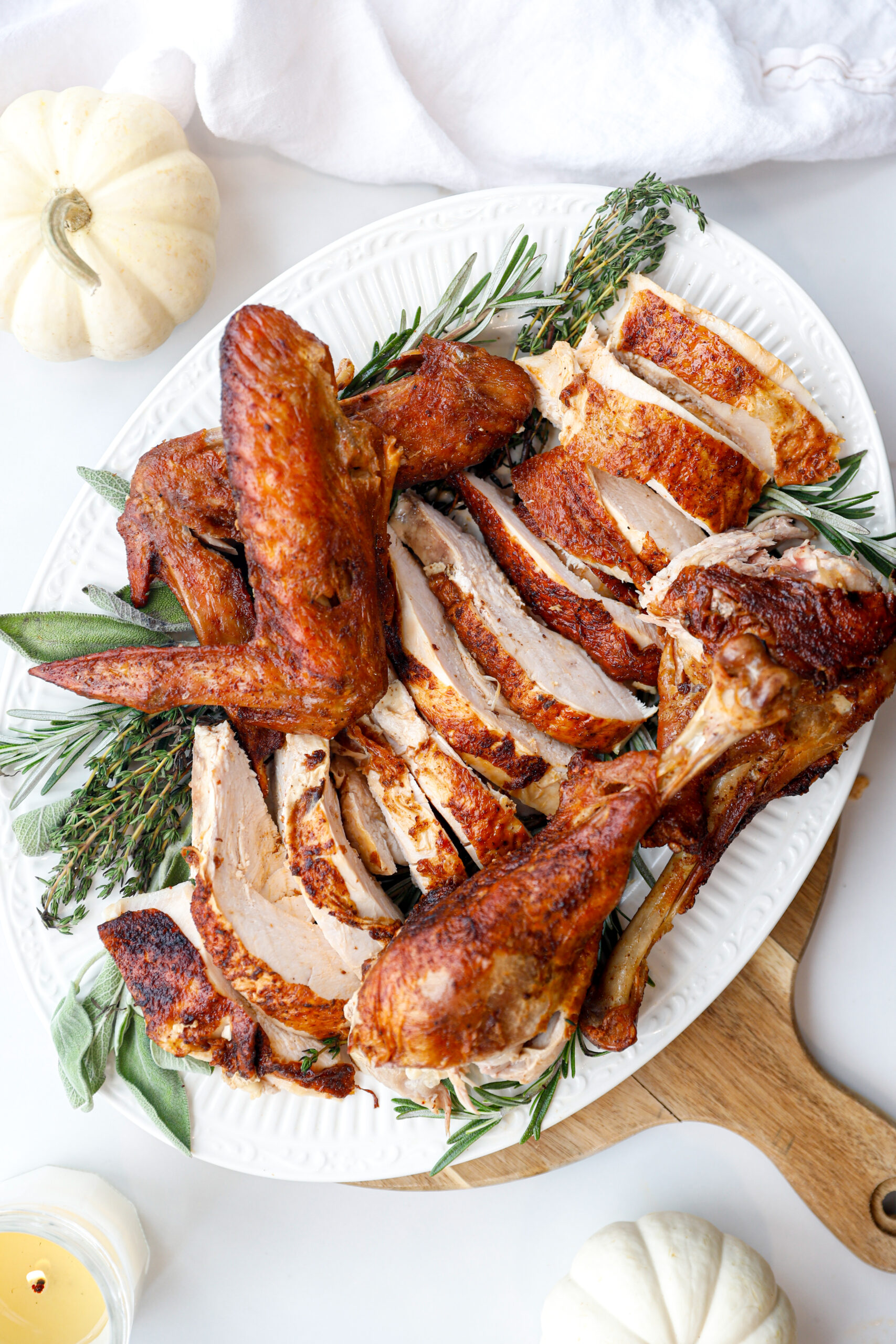
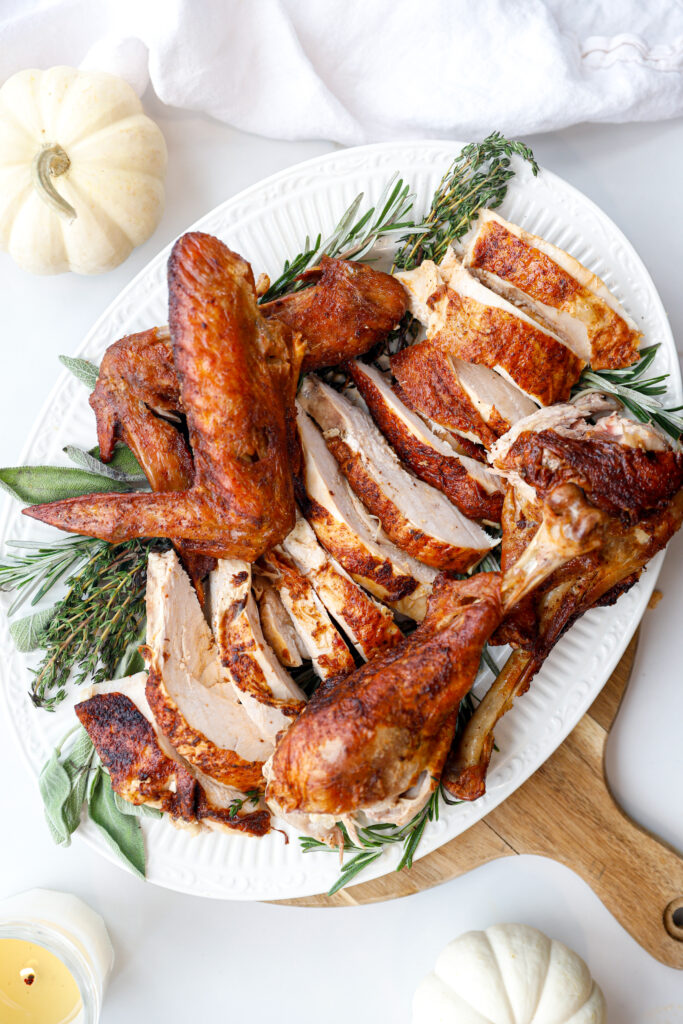
If you have always wanted to try a Cajun Fried Turkey but felt intimidated, this guide will walk you through everything you need to know. Frying a turkey creates the crispiest skin and incredibly juicy meat while cutting your cooking time way down. The key is preparation, understanding the steps, and following safe handling practices.
This post is written for beginners who want clear instructions that cover everything from thawing and seasoning to oil measurement, safe frying, troubleshooting, and carving. You will learn how to mix your own Cajun injection, how to apply the Cajun rub, how to do the water test to measure oil correctly, and how to maintain proper frying temperature. This is your complete start to finish guide to Cajun Fried Turkey.

When to Make Cajun Fried Turkey
- Thanksgiving
- Christmas
- Summer cookouts
- Tailgates
- Family gatherings
- Anytime you want crispy flavorful turkey without using the oven
Why You’ll Love Cajun Fried Turkey
- Juicy meat with crispy seasoned skin
- Bold Louisiana flavor from both injection and rub
- Cooks in less than half the time of roasting
- Saves oven space on busy holidays
- Fried outdoors which keeps the kitchen clean
- Makes a show stopping centerpiece for any meal

Defrosting a Turkey for Frying
A properly thawed turkey is essential for safe frying. Even a small amount of ice can cause the hot oil to splatter or bubble up.
Refrigerator Method (Best Method)
This is the safest and highest quality method.
- Allow 24 hours of thaw time in the refrigerator for every 4 to 5 pounds.
- Keep the turkey in a rimmed pan to catch juices.
- Slow thawing keeps the meat tender, juicy, and fresh tasting.
Cold Water Method (Quickest Method, Not as Ideal)
This method works when you are short on time, but it does not give the best final texture.
- Leave the turkey in its original packaging.
- Submerge in cold water and change the water every 30 minutes.
- Allow 30 minutes per pound.
Cold water thawing is safe but can slightly affect the meat texture. Use only when necessary.
How to Tell It Is Fully Thawed
- Cavity is free of ice
- Legs and wings move easily
- Meat feels soft when pressed
- No frozen or firm spots remain inside
NEVER fry a partially frozen turkey.

Water Test to Measure Oil
The water test prevents the oil from overflowing once the turkey is added. This step ensures you know exactly how much oil your fryer needs before heating it.
How to Do It
- Place the turkey in the empty fryer pot.
- Fill the pot with cold water until the turkey is just covered.
- Remove the turkey from the pot.
- Mark the water line. You can use a stick, wooden skewer, or a piece of tape to mark the level (make sure to remove tape after adding oil and turning the burner on).
- Dump the water and dry the pot completely.
- Fill the pot with oil only up to the marked line.
This gives you the exact amount of oil needed for your turkey and fryer.
Pro Tip to Make This Step Even Easier
You can do the water test right when you bring the turkey home while it is still frozen and sealed in the wrapper.
- Clean up is easier because the turkey is still packaged.
- No raw turkey or dripping water in the pot.
- You can dry the pot quickly and store it away until frying day.
- Saves time on cooking day since this step is already done.
Once the water test is complete, dry the pot, and refrigerate the turkey to defrost.

Safety Tips for Frying a Turkey
1. Fry outdoors on a flat stable surface
Use a driveway or concrete area. Keep the fryer at least 10 feet away from homes, garages, cars, fences, and overhead structures.
2. Keep children and pets far away
Create a safety zone of at least 10 feet around the fryer.
3. Make sure the turkey is fully thawed and completely dry
Moisture and ice cause splattering and bubbling.
4. Use the water test to avoid overflow
Measure oil exactly as described above.
5. Heat oil to 350 degrees
Always fill the pot with oil while the burner is completely OFF. Never add oil to a hot pot or lit burner. Use a long stem thermometer to monitor the temperature the entire time. Don’t let the oil exceed 375 degrees.
6. Turn off the propane tank and burner when lowering or lifting the turkey
Turn the propane tank valve off first, then turn the burner off before lowering the turkey into the oil. Do the same when lifting the turkey out. If any oil splatters or bubbles over, everything is already off which reduces the risk of fire.
7. Lower and lift the turkey slowly
Move with steady control and avoid rushing. Slow movements help prevent oil from bubbling over.
8. Keep the propane tank several feet away from the burner
Place the propane tank several feet away from the burner so it is nowhere near the heat source or hot oil. The hose is long enough to allow safe distance.
9. Never place a lid on the fryer
A lid traps steam and creates condensation. When condensation drips into the oil, it can cause splattering and bubbling. Keep the pot uncovered at all times.
10. Wear protective gear
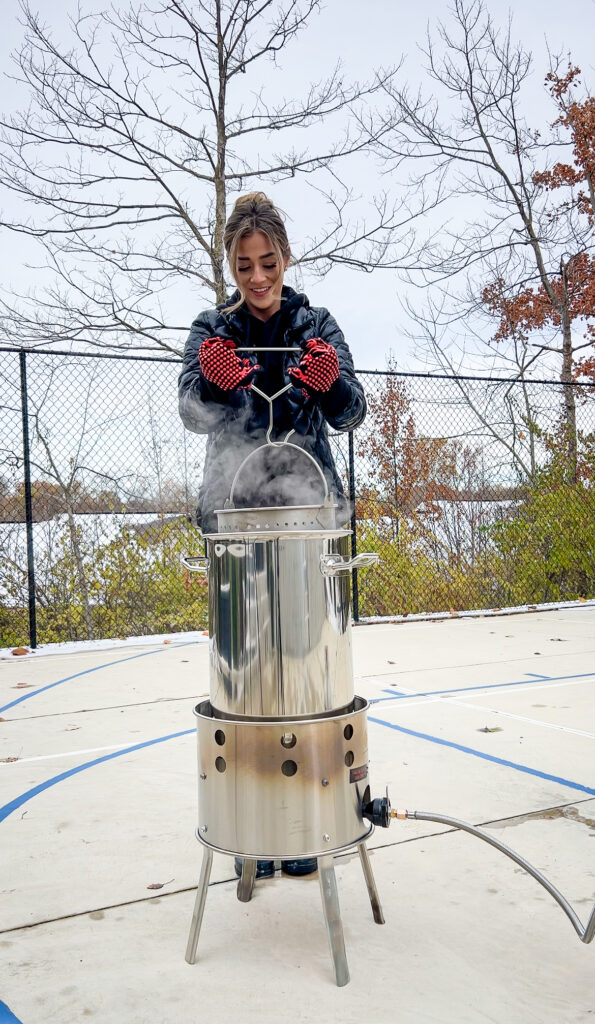
Use heat resistant gloves, long sleeves, closed toe shoes, and avoid loose clothing.
11. Keep a fire extinguisher nearby
Use a Class K or multipurpose extinguisher. Never use water on an oil fire.
12. Never leave the fryer unattended
Stay with it from the moment you begin heating the oil until everything cools down.
13. Let oil cool fully before moving or storing
Hot oil can take several hours to reach a safe temperature.

How to Heat the Oil
Heating the oil properly is essential for both safety and crispy skin.
1. Fill the pot to your marked water test line
Fill the pot with oil only while the burner is off. This ensures safe handling.
2. Turn on the propane tank, then light the burner
Adjust the flame to medium for slow, controlled heating.
3. Heat the oil slowly over medium heat
This prevents hot spots and keeps the oil stable.
4. Use a deep fry thermometer at all times
Clip it to the side of the pot to monitor the actual temperature.
5. Bring the oil to 355 degrees
This is slightly above frying temperature because the oil will cool quickly once the turkey is added.
What Happens When the Cajun Fried Turkey Goes In
When you add the turkey, the oil temperature will immediately drop. This is completely normal.
What to Do
- Lower the turkey slowly with both burner and propane tank OFF
- Once the turkey is fully submerged, turn the burner back ON
- The oil will naturally begin climbing back up
- Adjust the flame until the temperature stabilizes between 325 and 350 degrees
Do not turn the heat up to full flame. A slow, steady increase keeps the oil stable and prevents burning.
How Long It Takes to Heat Oil
Average heating times vary:
- 2 to 3 gallons: 25 to 35 minutes
- 3 to 4 gallons: 35 to 45 minutes
- Cold or windy days: Add 10 to 15 minutes
How to Know the Oil Is Ready
- Thermometer reads 355 degrees before adding the turkey
- Temperature drops once the turkey goes in (normal)
- Adjust flame to keep it at 325 to 350 degrees during the cook
- Oil looks slightly shimmering but not smoking
Troubleshooting While Frying
Oil is bubbling too much
This can happen when the turkey still has moisture on the skin or inside the cavity, or when the oil is heated too high. It can also happen if the oil is old and breaking down. Lower the flame or turn the propane tank valve and burner off to allow the temperature to return to 350 degrees. If the oil looks very dark, smells burnt, or bubbles aggressively even with no food in it, the oil may be old. If so, allow it to cool fully and replace it with fresh peanut oil before frying.
Oil temperature is dropping
Increase flame slightly and wait for it to return to temperature.
Oil is close to overflowing
Turn everything off and lift turkey out immediately.
Cajun Fried Turkey looks done outside but underdone inside
This happens when the oil is too hot at the start and the outside browns faster than the inside can cook.
What to do:
- Gently lift the turkey and check the internal temperature with a meat thermometer
- The breast must reach 165 degrees and the thigh must reach 175 degrees
- If the turkey is still underdone, carefully lower it back into the oil with the burner and propane tank turned off
- Once it is fully submerged, turn the burner back on
- Continue frying until the turkey reaches the correct internal temperatures
The key is to keep the oil between 325 and 350 degrees. At this temperature range, the skin will continue to brown slowly while the inside finishes cooking without burning. If the oil temperature climbs above 350 degrees, the skin can darken too quickly or burn before the inside reaches a safe temperature.
Skin is not crispy
This happens when the oil temperature stays too low (below 325 degrees).
What to do:
- Gently lift turkey and check oil temperature
- Bring oil back to 325 to 350 degrees
- Lower turkey back in for a few minutes to crisp the skin
- Watch thermometer closely
How long does it become unsafe if the cajun fried turkey cooks under 325 degrees?
Oil temperatures below 325 degrees are not recommended for frying turkey. When the oil is too cool:
- The turkey absorbs more oil, which makes it greasy
- The outside does not crisp properly
- Most importantly, the turkey takes longer to reach a safe internal temperature
A turkey sitting in oil that is too cool for too long increases the risk of the meat staying in the “danger zone” (between 40 and 140 degrees) for an extended period, which is not considered food safe.
Because of this, it is important to bring the oil back up to 325 to 350 degrees.
FAQs
Can I fry a turkey indoors?
No. Always fry outdoors on a flat, heatproof surface at least 10 feet away from your home, garage, car, or any structure.
What if it is windy while I am frying?
Wind can make it harder to maintain stable oil temperature and can affect the burner flame. Position your fryer in a sheltered outdoor spot that blocks wind while staying at least 10 feet away from all structures. Watch the flame closely and be patient, as the oil will heat more slowly. If the wind is strong or unpredictable enough to push the flame or make it unstable, wait for calmer conditions before frying.
Can I reuse peanut oil?
Yes. Once the oil cools completely, strain it through a fine mesh strainer and store it in a sealed container in a cool, dark place for up to 2 to 3 months. Do not reuse oil that looks very dark, smells burnt, feels sticky, or bubbles aggressively even with no food in it. These are signs that the oil has broken down and should be discarded.
Looking for more Thanksgiving dishes? Browse my complete Thanksgiving Recipes page for easy appetizers, classic sides, and holiday desserts.

Cajun Fried Turkey
Ingredients
Turkey
- 10-14 lb whole turkey fully thawed
- 3-4 gallons peanut oil
Homemade Cajun Injection
- 1 stick unsalted butter
- 1 cup chicken broth
- 1/4 cup lemon juice
- 2 tbsp Tony Chachere's seasoning
- 2 tbsp hot sauce
Cajun Dry Rub
- 2 tbsp Tony Chachere's seasoning
- 1 tbsp garlic powder
- 1 tbsp smoked paprika
- 1 tsp salt
- 1 tsp black pepper
Method
The Day Before Frying:
- Do the water test (while turkey is still sealed)Place the sealed packaged turkey into the fry pot. Fill with cold water until the turkey is just covered.Remove the turkey from the pot. Mark the water line using a stick, wooden skewer, or tape (remove the tape once oil is added to pot).Dump the water and dry the pot completely. Store the pot until frying day.This step should always be done before seasoning or unwrapping the turkey.
- Make the Cajun injectionMelt butter in a saucepan over medium heat. Add broth, lemon juice, Tony Chachere's, and hot sauce. Simmer 3 to 5 minutes and let cool.
- Prepare the turkey and inject itRemove the turkey from its packaging and remove turkey neck and giblets.Pat completely dry.Use a meat injector to inject the mixture throughout the breasts, thighs, legs, and wings. Inject evenly for the best flavor.
- Apply the Cajun rubMix the dry rub and apply it all over the turkey, including inside the cavity and under the skin where possible.
- Refrigerate overnightPlace the turkey uncovered in the refrigerator overnight. This helps the seasoning absorb and keeps the skin as dry as possible for frying.
Frying Day:
- Pat turkey dry againBefore frying, check that the turkey is fully dry. Blot the skin, cavity, and under the wings and legs with paper towels.
- Fill the pot with oilFill the pot only to the marked water test line. Always add oil while the burner is completely off.
- Heat the oilTurn on the propane tank, then light the burner. Heat the oil slowly over medium heat until it reaches 355 degrees. Use a deep fry thermometer at all times.
- Turn off the propane tank valve and burnerTurn both off before lowering the turkey into the oil for safety.
- Lower the turkey slowlyWear heat resistant gloves. Lower the turkey in a slow, controlled motion. Once it is fully submerged, turn the burner back on.
- Fry the turkeyCook for 3 to 4 minutes per pound. Maintain the oil between 325 and 350 degrees the entire time.
- Check internal temperatureLift the turkey slightly and check the thickest part of the breast and thigh.Breast: 165 degreesThigh: 175 degreesIf not done, lower it back in and continue frying.Once cooked, turn the propane tank valve and burner off. Gently remove turkey from pot.
- Rest and carveLet rest for 20 minutes before slicing to allow the juices to settle.



What did you think?