


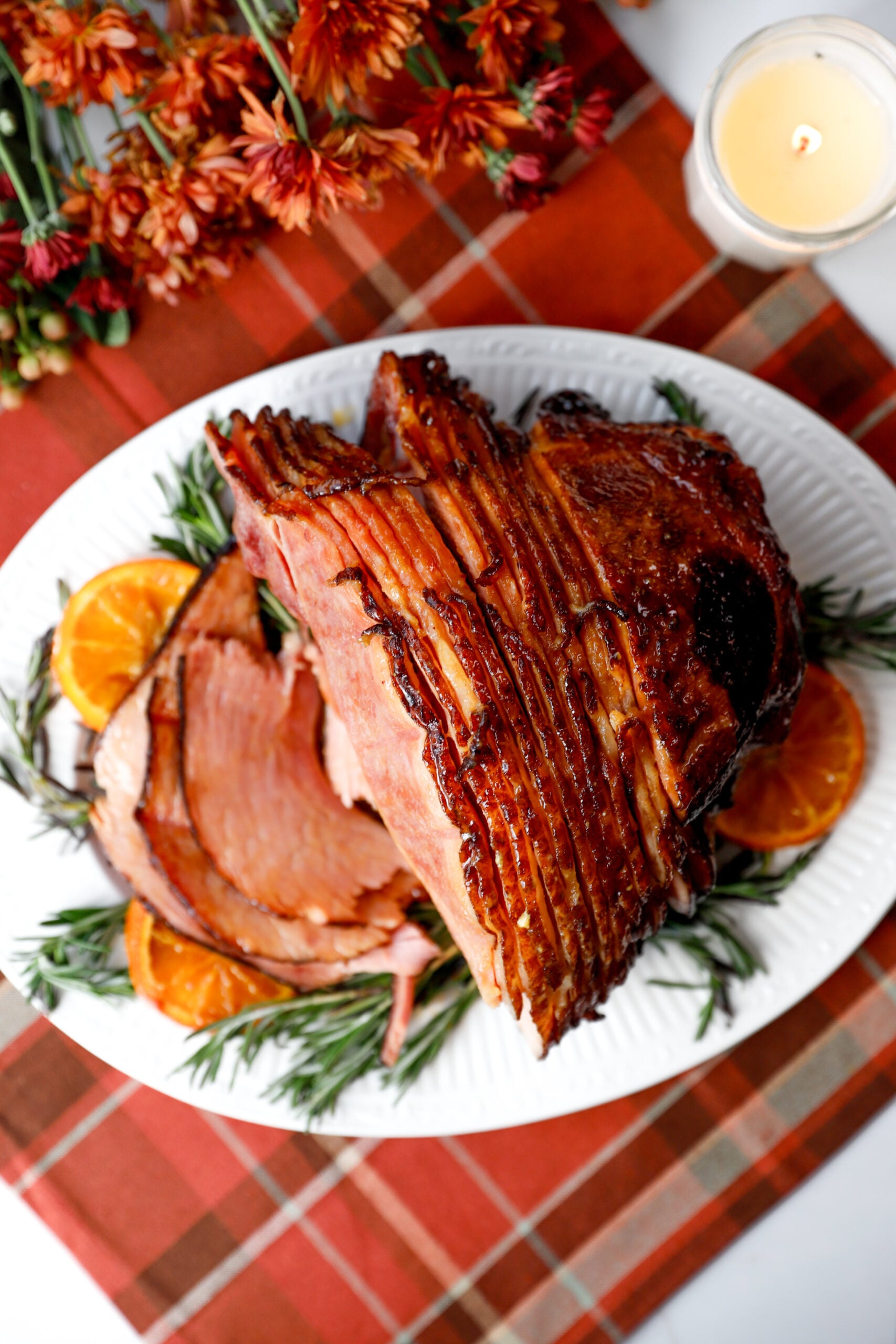
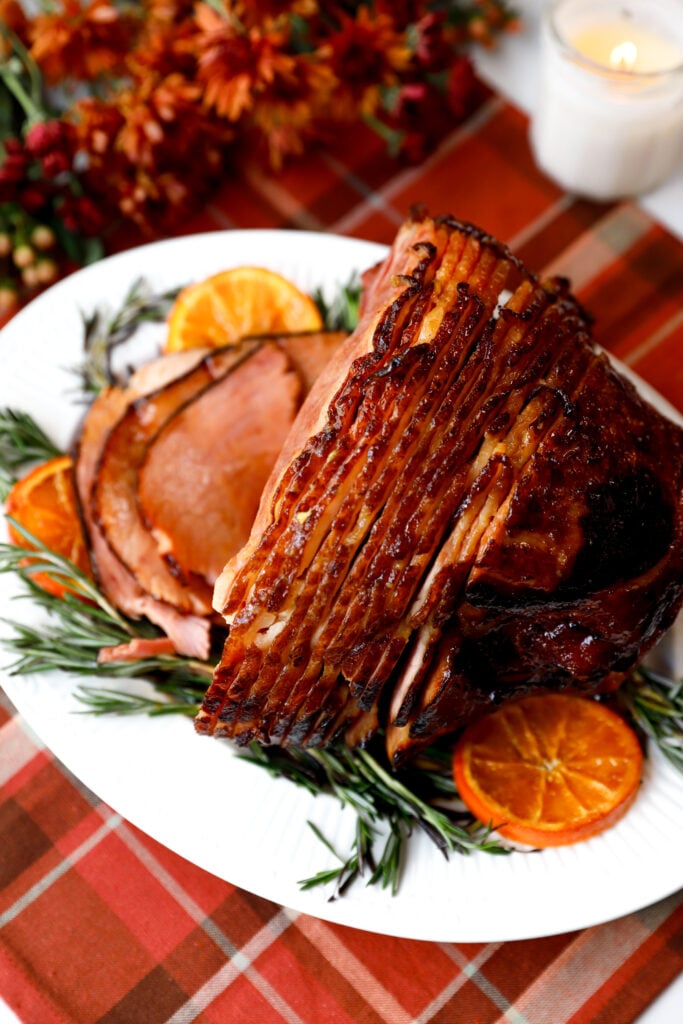
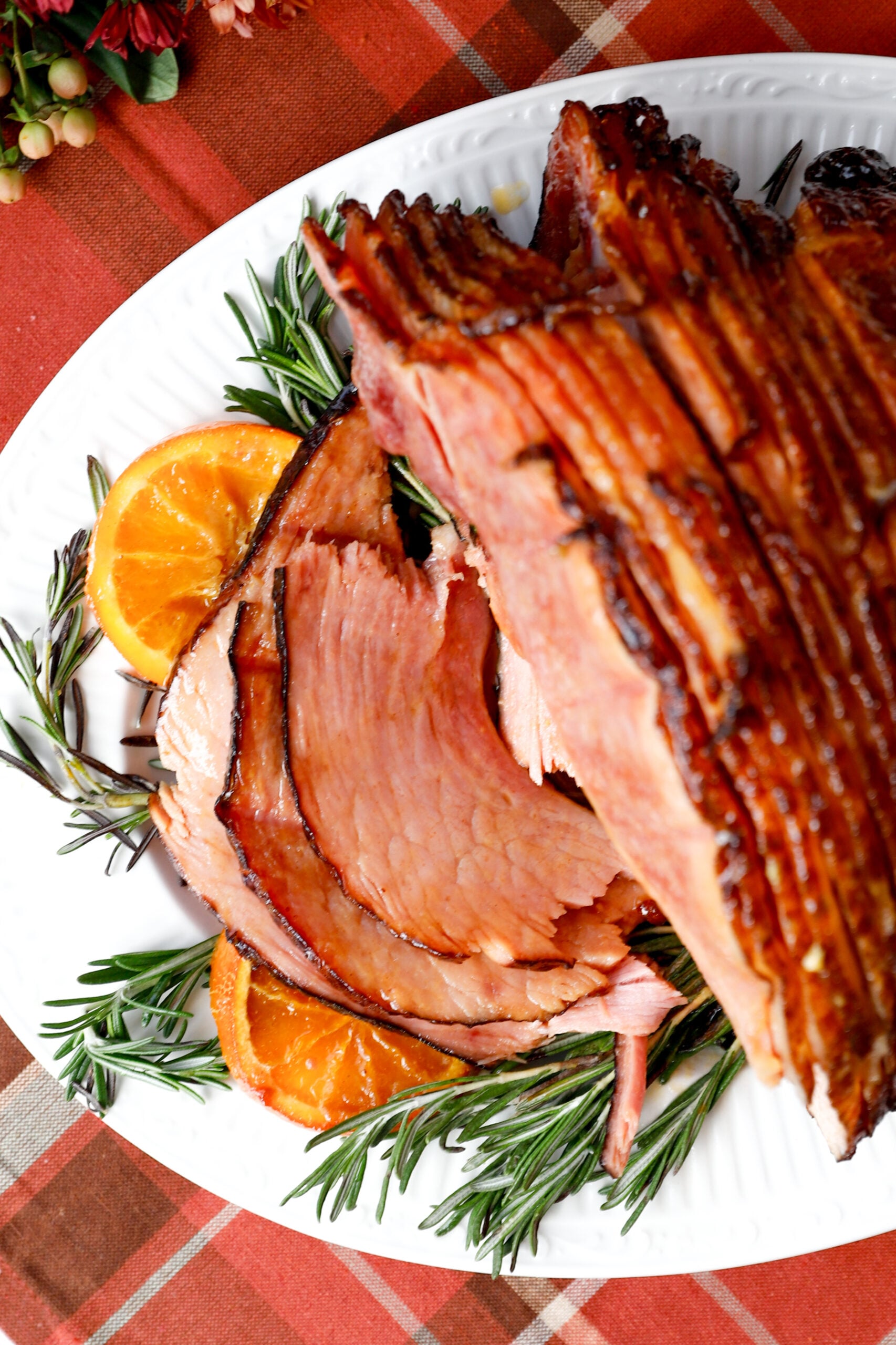
This Brown Sugar Glazed Ham is coated in a buttery brown sugar and Dijon mustard mixture, baked with pineapple juice and fresh oranges, and finished with a beautiful, sticky, caramelized glaze. It’s sweet, savory, tender, and juicy, making it the perfect centerpiece for Thanksgiving, Christmas, Easter, or any holiday gathering!
The best part? This recipe starts with a fully cooked, spiral sliced ham, so most of the work is already done for you. A few simple ingredients and a little oven time transform an ordinary ham into something truly special.
And let me tell you, the glaze is everything! The secret is making it in a skillet instead of a saucepan. The wider surface area allows the liquid to reduce faster, creating a beautiful, thick, sticky glaze that clings perfectly to the ham.
Why You’ll Love This Brown Sugar Glazed Ham
- Easy to make: Starting with a fully cooked spiral ham makes preparation simple, with minimal hands on time.
- Sweet and savory: Brown sugar and honey pair beautifully with tangy Dijon mustard and smoky ham.
- Sticky, caramelized glaze: The brown sugar glaze reduces into a thick, glossy finish that beautifully coats the ham.
- Perfect for holidays: An impressive main dish for Thanksgiving, Christmas, Easter, and family gatherings.
- Great for leftovers: Use extra ham for sandwiches, breakfast casseroles, soups, and more.
Ingredients You’ll Need
You only need a handful of simple ingredients to make this delicious brown sugar glazed ham.
For the Ham
- Fully cooked spiral sliced ham (8–9 pounds): I used a bone in, applewood smoked spiral ham. Since it’s already cooked, we’re simply reheating it while adding flavor.
- Pineapple juice (1 cup): Added to the bottom of the roasting pan to create a moist environment while the ham reheats.
- 1 large orange: Sliced into rounds and added to the roasting pan for a subtle citrus aroma.
Brown Sugar Butter Coating
- Light brown sugar (1 cup): Creates a sweet, rich coating that complements the smoky ham.
- Unsalted butter (1/2 cup or 1 stick), softened: Adds richness and helps create a spreadable coating.
- Dijon mustard (1/3 cup): Adds a tangy flavor that balances the sweetness of the brown sugar.
Brown Sugar Glaze
- Pineapple juice (1 1/2 cups): The sweet and tangy base of the glaze.
- Light brown sugar (1/2 cup, packed): Adds sweetness and helps the glaze reduce into a syrupy consistency.
- Dijon mustard (2 tablespoons): Balances the sweetness with a little tang.
- Apple cider vinegar (1 tablespoon): Brightens the glaze and cuts through the richness.
- Ground cloves (a dash): Adds a subtle, warm holiday flavor.
- Honey (2 tablespoons): Gives the glaze a glossy, sticky finish.
Garnish
- Fresh rosemary sprigs
- Roasted orange slices from the roasting pan
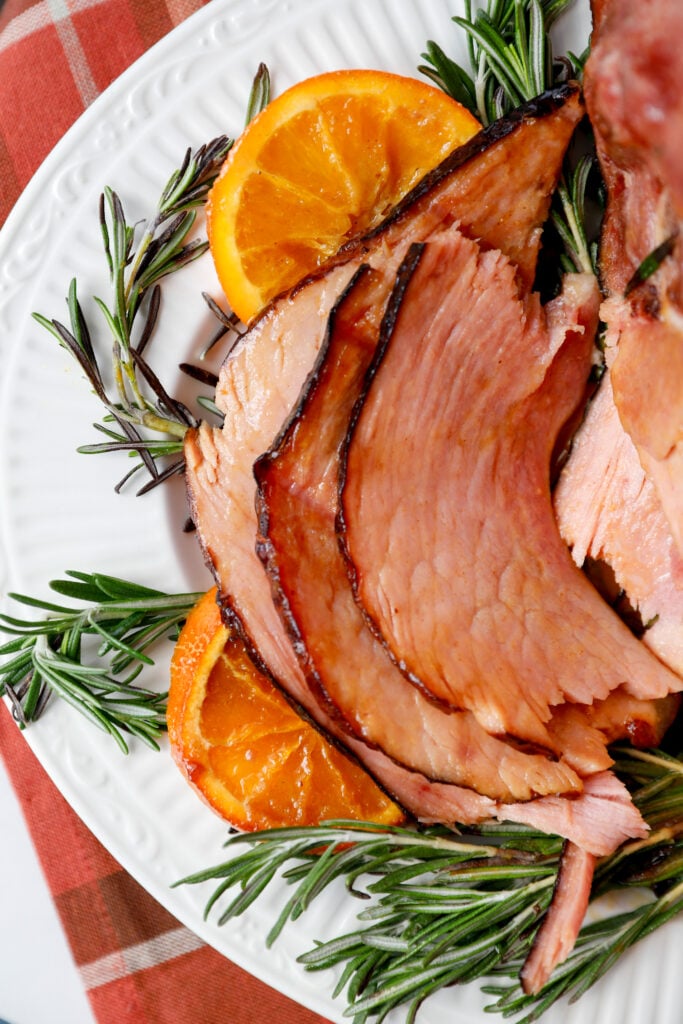
How to Make Brown Sugar Glazed Ham
Step 1: Prepare the Roasting Pan
Preheat your oven to 325°F.
Line a large roasting pan with aluminum foil for easy cleanup. This is one step you definitely don’t want to skip because the brown sugar and glaze can become quite sticky!
Pour 1 cup of pineapple juice into the bottom of the roasting pan and arrange the orange slices in the juice.
Insert a roasting rack into the pan so the ham sits above the liquid.
Step 2: Prepare the Ham
Remove the ham from its packaging, making sure to remove all plastic coverings, including the small round plastic piece that may be attached to the exposed bone.
Place the ham on the roasting rack with the large, flat side facing down.
Step 3: Make the Brown Sugar Butter Coating
In a medium bowl, combine the light brown sugar, softened unsalted butter, and Dijon mustard.
Mix until everything is well incorporated and forms a thick, spreadable mixture.
Generously coat the entire ham with the brown sugar butter mixture. Using your hands or a spatula, gently work some of the coating between the spiral slices.
Be careful not to separate the slices too much. You want the ham to stay intact and retain its moisture while baking.
Step 4: Cover and Bake
Cover the roasting pan tightly with aluminum foil, making sure to seal the foil securely around the edges so the steam and moisture stay trapped inside.
Place the ham in the preheated 325°F oven.
After approximately 1 hour and 20 minutes, begin checking the internal temperature by inserting a meat thermometer into the thickest part of the ham, avoiding the bone.
Continue baking, covered, until the ham reaches an internal temperature of 140°F, or the reheating temperature specified on the packaging.
Step 5: Make the Brown Sugar Glaze
While the ham is baking, prepare the glaze.
In a large skillet, combine the pineapple juice, light brown sugar, Dijon mustard, apple cider vinegar, ground cloves, and honey.
Bring the mixture to a steady simmer over medium heat, uncovered.
Continue simmering, stirring frequently, until the liquid reduces and the glaze becomes thickened, glossy, and syrupy. This should take approximately 10–15 minutes, although the exact time will depend on your skillet and heat.
Remove the skillet from the heat and allow the glaze to cool slightly. It will continue to thicken as it cools.
My time saving tip: Use a skillet instead of a saucepan! The larger surface area helps the liquid evaporate faster, making it easier to achieve that beautiful, sticky glaze without spending forever waiting for it to reduce.
Step 6: Glaze and Caramelize the Ham
Once the ham reaches an internal temperature of 140°F, carefully remove it from the oven and remove the aluminum foil.
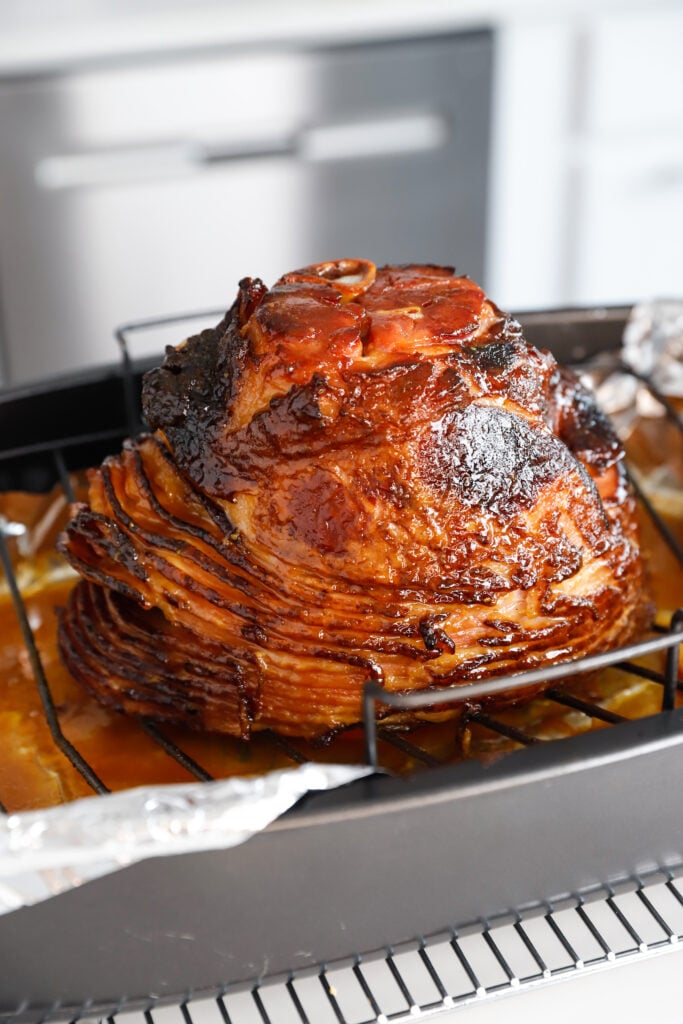
Using a basting brush, generously coat the ham with half of the brown sugar glaze.
Return the ham to the oven, uncovered, for approximately 10–15 minutes, or until the glaze becomes beautifully caramelized.
Keep an eye on the ham during this step because the sugars in the glaze can brown quickly.
Step 7: Add the Final Glaze
Remove the ham from the oven and brush with the remaining brown sugar glaze.
Gently work some of the glaze between the spiral slices to make sure every bite is coated with that delicious sweet and tangy flavor.
Step 8: Garnish and Serve
Arrange fresh rosemary sprigs and a few of the roasted orange slices from the bottom of the roasting pan around the outer edge of a large serving platter.
Carefully place the ham in the center of the platter, allowing the rosemary and orange slices to peek out around the edges.
Serve warm and enjoy!
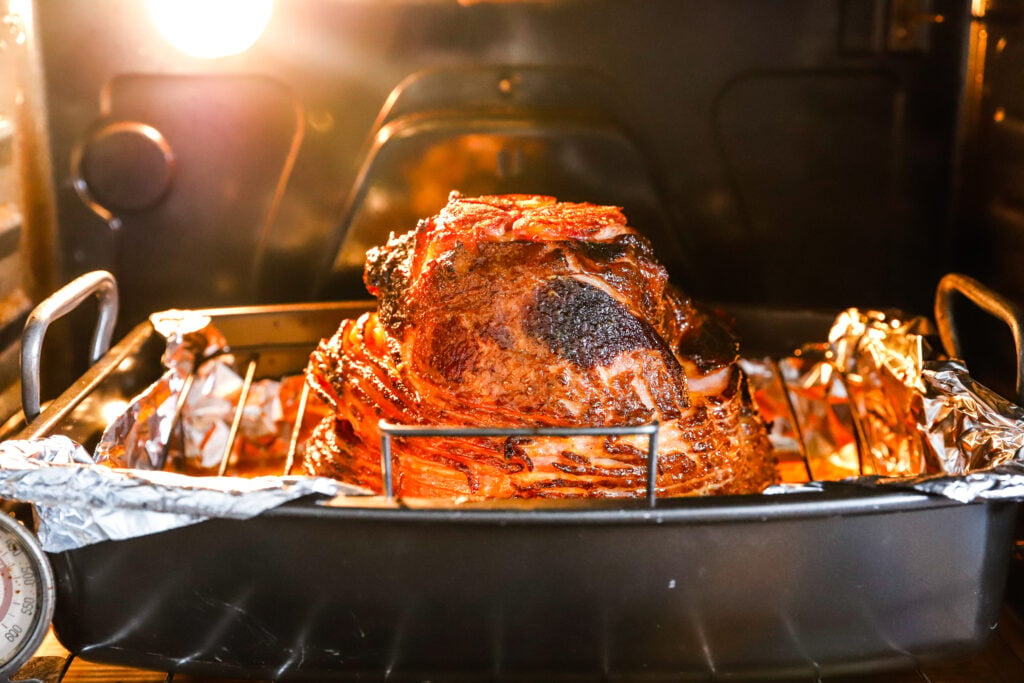
How Long Do You Cook a Fully Cooked Spiral Ham?
Because we’re starting with a fully cooked spiral-sliced ham, we’re reheating it rather than cooking it from raw.
A good general rule of thumb is to allow approximately 10–15 minutes per pound at 325°F.
For an 8–9 pound ham, plan on approximately 1 hour and 20 minutes to 2 hours and 15 minutes of covered reheating, depending on the size of your ham, its starting temperature, and your oven.
| Ham Weight | Approximate Covered Reheating Time |
|---|---|
| 6 pounds | 1–1½ hours |
| 7 pounds | 1 hour 10 minutes–1 hour 45 minutes |
| 8 pounds | 1 hour 20 minutes–2 hours |
| 9 pounds | 1½–2¼ hours |
| 10 pounds | 1 hour 40 minutes–2½ hours |
Important: These are estimates. Always follow the reheating instructions on your ham’s packaging and use a meat thermometer to determine when it’s ready.
For a USDA inspected, commercially packaged fully cooked ham, the recommended reheating temperature is 140°F. Other previously cooked hams may require 165°F.
In this recipe, begin checking the internal temperature after approximately 1 hour and 20 minutes. Once the ham reaches 140°F, uncover, glaze, and return it to the oven for another 10–15 minutes to caramelize.
The final glazing step is additional oven time, so be careful not to leave the ham uncovered longer than necessary.
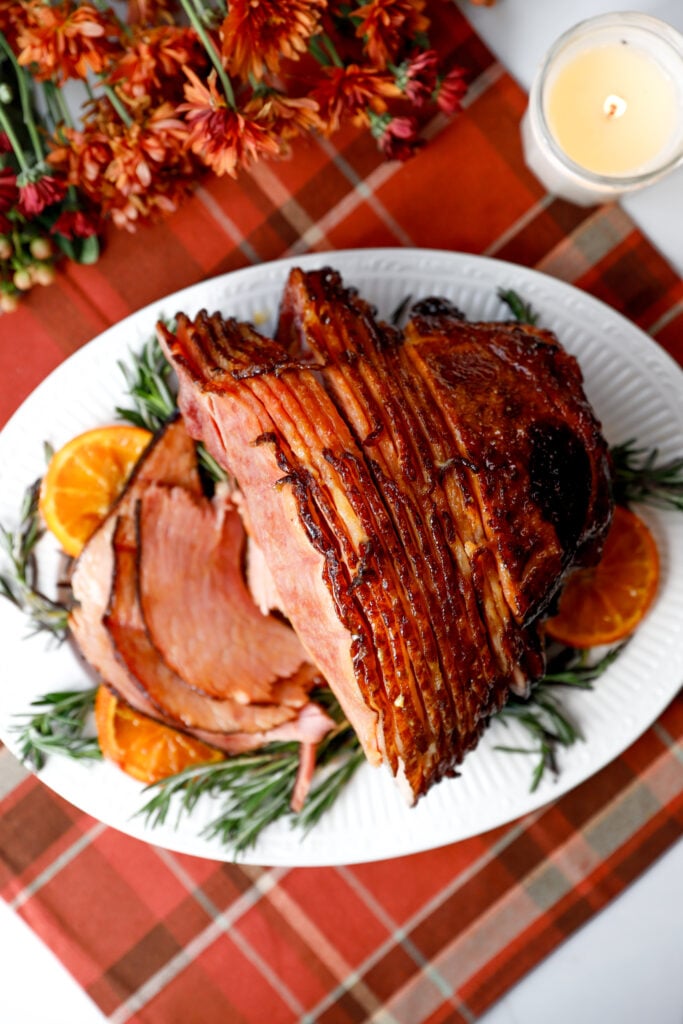
Tips for the Best Brown Sugar Glazed Ham
Use a fully cooked spiral sliced ham. This makes the recipe much easier because you don’t have to cook the ham from raw. You’re simply reheating it and adding a delicious homemade glaze.
Make sure the butter is softened. Softened butter mixes easily with the brown sugar and Dijon mustard, creating a thick coating that spreads over the ham.
Gently coat between the slices. Getting a little of the brown sugar butter mixture between the spiral slices adds flavor throughout the ham. Just avoid pulling the slices too far apart.
Cover the ham tightly. Spiral sliced ham can dry out quickly because it’s already sliced. Keeping the roasting pan tightly covered during reheating helps retain moisture.
Use a skillet to make the glaze. This is one of my favorite tricks! A skillet has more surface area than a saucepan, allowing the glaze to reduce more quickly into a beautiful, sticky consistency.
Don’t rush the glaze. The glaze should be reduced and syrupy before brushing it onto the ham. If it’s still watery, continue simmering until more liquid evaporates.
Glaze in two stages. Half the glaze caramelizes in the oven, while the remaining half is brushed onto the finished ham for extra shine and flavor.
Always use a meat thermometer. Cooking times can vary, so checking the internal temperature is the best way to avoid overcooking your ham.
Save the roasted oranges. The orange slices from the bottom of the roasting pan make a beautiful garnish alongside fresh rosemary.
Can You Make Brown Sugar Glazed Ham Ahead of Time?
Yes! While I recommend reheating and glazing the ham on the day you plan to serve it for the best texture, there are several ways to get a head start.
Make the glaze ahead: Prepare the brown sugar glaze up to 3 days in advance. Store it in an airtight container in the refrigerator and gently reheat it in a skillet before using.
Prepare your ingredients: Measure the brown sugar, Dijon mustard, and other ingredients ahead of time.
Plan your oven schedule: A large ham takes time to warm through, so plan accordingly, especially when preparing several holiday dishes.
For the best results, I recommend keeping the ham refrigerated until you’re ready to begin reheating it.
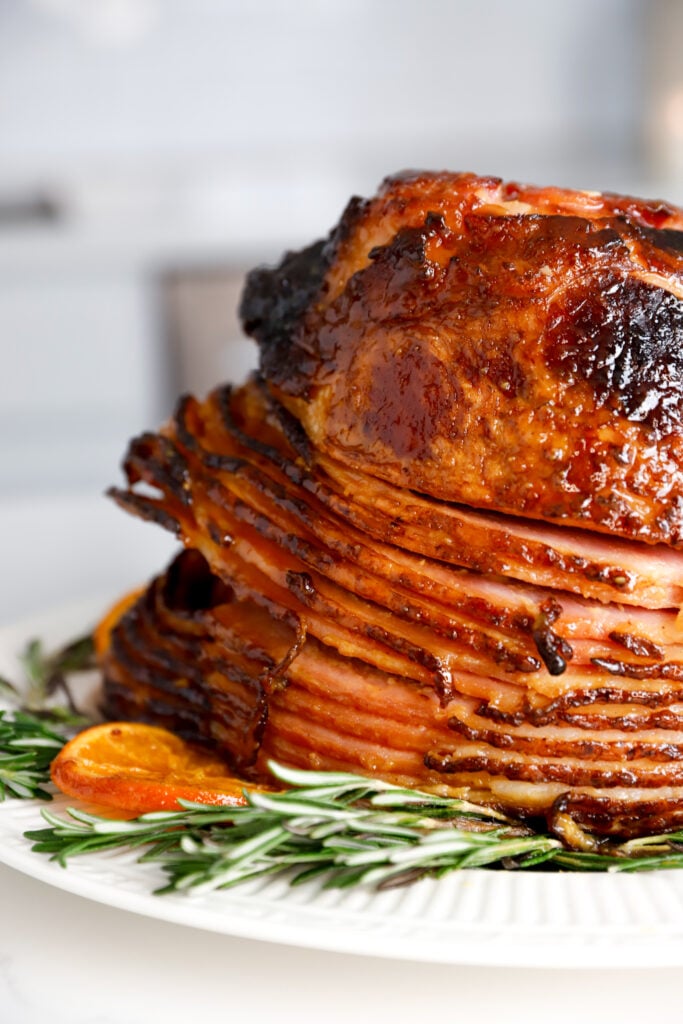
What to Serve with Brown Sugar Glazed Ham
This brown sugar glazed ham is delicious alongside classic holiday sides. The sweet and tangy glaze pairs especially well with creamy, cheesy, and savory dishes.
Some of my favorite pairings include:
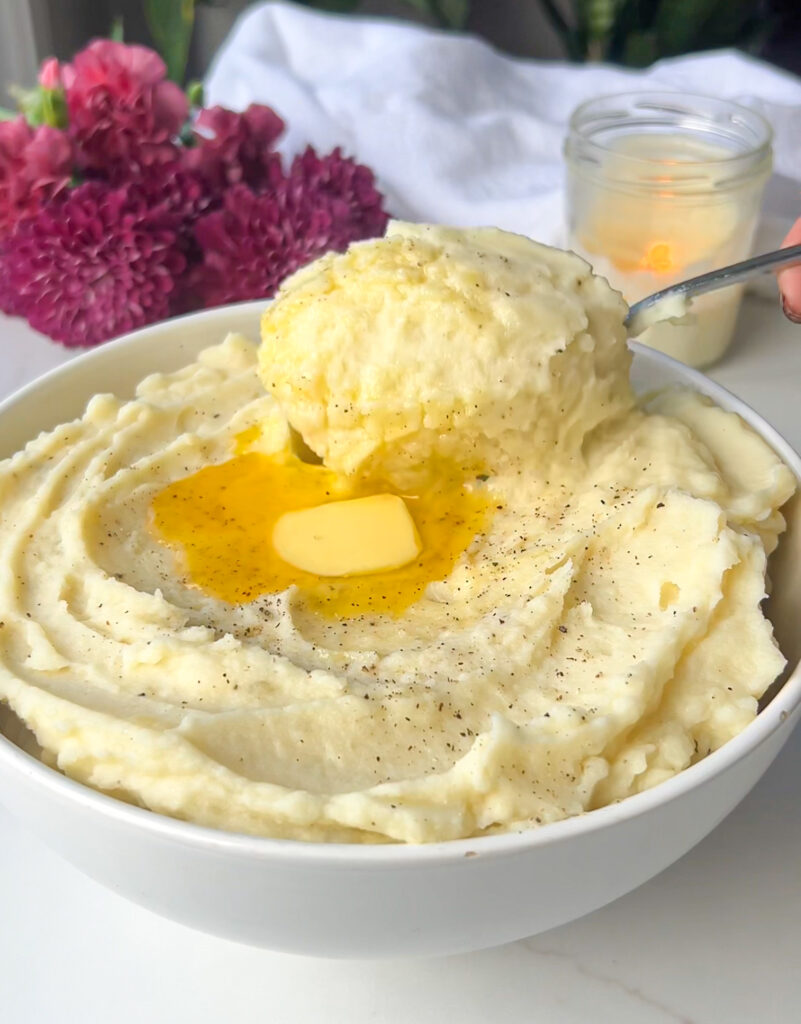
- Creamy Mashed Potatoes
- Homemade Mac and Cheese
- Sweet Potato Casserole
- Sausage Stuffing
- Autumn Brussels Sprouts Slaw
- Parker House Rolls
It’s a wonderful addition to a Thanksgiving spread and equally delicious for Christmas or Easter dinner.
How to Store and Reheat Leftover Ham
Refrigerator: Store leftover ham in airtight containers in the refrigerator for 3–4 days. Refrigerate within 2 hours of serving.
Freezer: Freeze portions in freezer safe bags or containers for 1–2 months for best quality.
Reheating: Place leftover ham in a baking dish with a splash of water or pineapple juice. Cover tightly with foil and warm in the oven until the leftovers reach 165°F.
Properly stored, ready to eat fully cooked ham can also be enjoyed cold in sandwiches or salads.
FAQs
Can I Use a Larger Ham?
Absolutely! This recipe is written for an 8–9 pound fully cooked, spiral sliced ham, but you can easily adjust it to accommodate a larger ham. For a 10–12 pound ham, increase the brown sugar coating and glaze ingredients by 1 1/2 times. For a 13–15 pound ham, double both mixtures to ensure you have enough to generously coat the ham. You don’t need to increase the pineapple juice in the bottom of the roasting pan by the same amount. Just add enough to create a shallow layer of liquid. Cooking time will also need to be adjusted. As a general guideline, allow approximately 10–15 minutes per pound at 325°F for a fully cooked spiral sliced ham, following the package instructions. Keep the ham tightly covered with aluminum foil to retain moisture, and begin checking the internal temperature before the estimated cooking time is up. Once the ham reaches 140°F (for a USDA inspected, commercially packaged fully cooked ham), uncover, brush with half the brown sugar glaze, and return to the oven for another 10–15 minutes to caramelize. Finish with the remaining glaze before serving.
Should I cover my ham while baking?
Yes! Covering the ham tightly with aluminum foil helps trap moisture and prevents the spiral slices from drying out. Remove the foil for the final 10–15 minutes when caramelizing the glaze.
Should spiral ham be placed cut side down?
Yes! Place the ham on the roasting rack with the large, flat side facing down. This helps protect the exposed spiral slices during reheating.
Why is my brown sugar glaze watery?
It likely needs more time to reduce. Continue simmering the glaze uncovered, stirring frequently, until excess moisture evaporates and the glaze becomes syrupy. Using a wide skillet rather than a narrow saucepan can help speed up the process.
Can I use dark brown sugar instead of light brown sugar?
Yes! Dark brown sugar contains more molasses, giving the glaze a deeper flavor. I prefer light brown sugar because it complements the pineapple, honey, and Dijon mustard without overpowering them.
How much ham should I plan per person?
For a bone in ham, plan approximately 3/4–1 pound per person, especially if you’d like leftovers. An 8–9 pound bone in ham generally serves generously around 8-10 people, depending on appetites and how many side dishes you’re serving.
More Holiday Recipes You’ll Love
If you’re planning your holiday menu, be sure to check out some of my other favorites:
- Easy Garlic Parmesan Stuffed Mushrooms
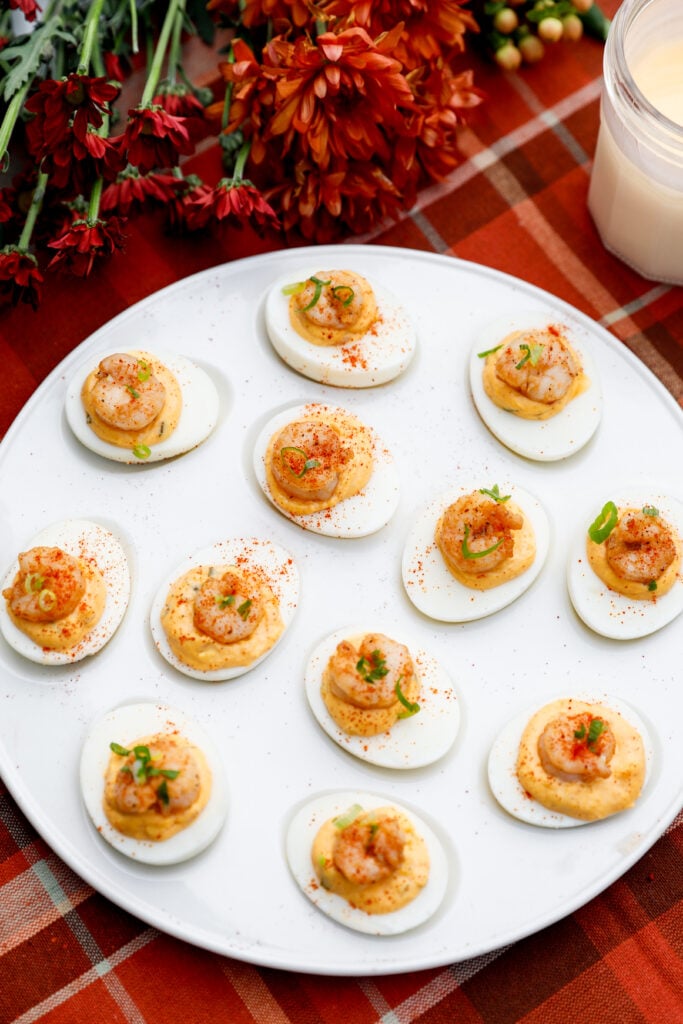
- Shrimp Remoulade Deviled Eggs
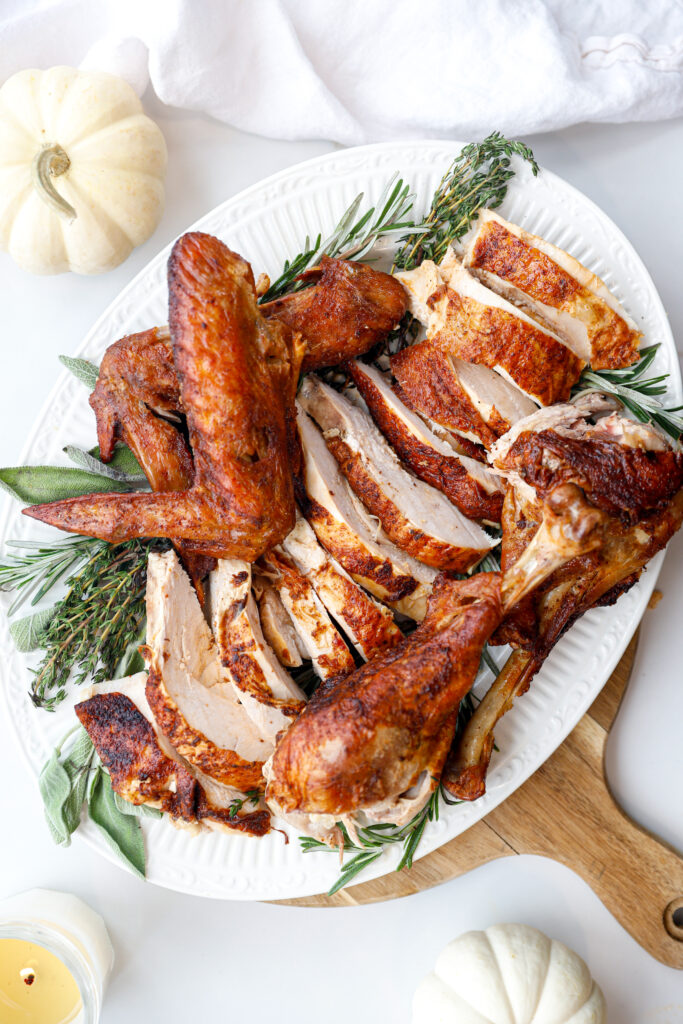
- Cajun Fried Turkey
- Autumn Brussels Sprouts Slaw
Whether you’re hosting the entire holiday meal or bringing a dish to share, I hope these recipes make gathering around the table a little easier and a lot more delicious.
If you make this Brown Sugar Glazed Ham, I’d love to hear how it turned out! Leave a comment and rating below, and don’t forget to save this recipe for your next holiday gathering.
Brown Sugar Glazed Ham
Ingredients
For the Ham
- 1 fully cooked spiral sliced ham (8–9 pounds)
- 1 cup pineapple juice
- 1 large orange sliced
Brown Sugar Butter Coating
- 1 cup packed light brown sugar
- 1/2 cup (1 stick) unsalted butter, softened
- 1/3 cup Dijon mustard
Brown Sugar Glaze
- 1 1/2 cups pineapple juice
- 1/2 cup packed light brown sugar
- 2 tablespoons Dijon mustard
- 2 tablespoons honey
- 1 tablespoon apple cider vinegar
- Dash of ground cloves
Garnish
- Fresh rosemary sprigs
- Roasted orange slices from baking ham
Method
- Preheat oven to 325°F. Line a roasting pan with aluminum foil. Pour 1 cup pineapple juice into the bottom and add the sliced orange. Insert a roasting rack.
- Remove the ham from its packaging, including all plastic pieces and the bone guard. Place the ham on the roasting rack with the large, flat side facing down.
- In a bowl, combine the brown sugar, softened butter, and Dijon mustard. Generously coat the ham, gently working the mixture between the spiral slices.
- Cover the roasting pan tightly with aluminum foil, sealing around the edges. Bake at 325°F. After approximately 1 hour and 20 minutes, begin checking the internal temperature in the thickest part of the ham, avoiding the bone. Continue baking, covered, until the ham reaches 140°F, or the reheating temperature specified on the packaging.
- While the ham bakes, combine all glaze ingredients in a wide skillet. Bring to a steady simmer over medium heat, uncovered. Stir frequently until reduced and syrupy, approximately 10–15 minutes or longer as needed. Remove from heat and allow to cool slightly.
- Once the ham reaches 140°F, remove the foil and brush with half of the glaze.
- Return to the oven uncovered for 10–15 minutes, or until the glaze becomes beautifully caramelized.
- Remove the ham from the oven and brush with the remaining glaze, gently working some between the slices.
- Arrange fresh rosemary and roasted orange slices around the edge of a serving platter. Place the ham in the center and serve.
Notes
- Use a fully cooked spiral sliced ham.
- Plan on approximately 10–15 minutes per pound at 325°F, but follow package instructions and use a meat thermometer.
- Begin checking the temperature after approximately 1 hour and 20 minutes for an 8–9 pound ham.
- A wide skillet helps the brown sugar glaze reduce more quickly.
- Keep the ham covered during reheating and uncover only for the final caramelization.
- Refrigerate leftovers within 2 hours and store for 3–4 days.





What did you think?